
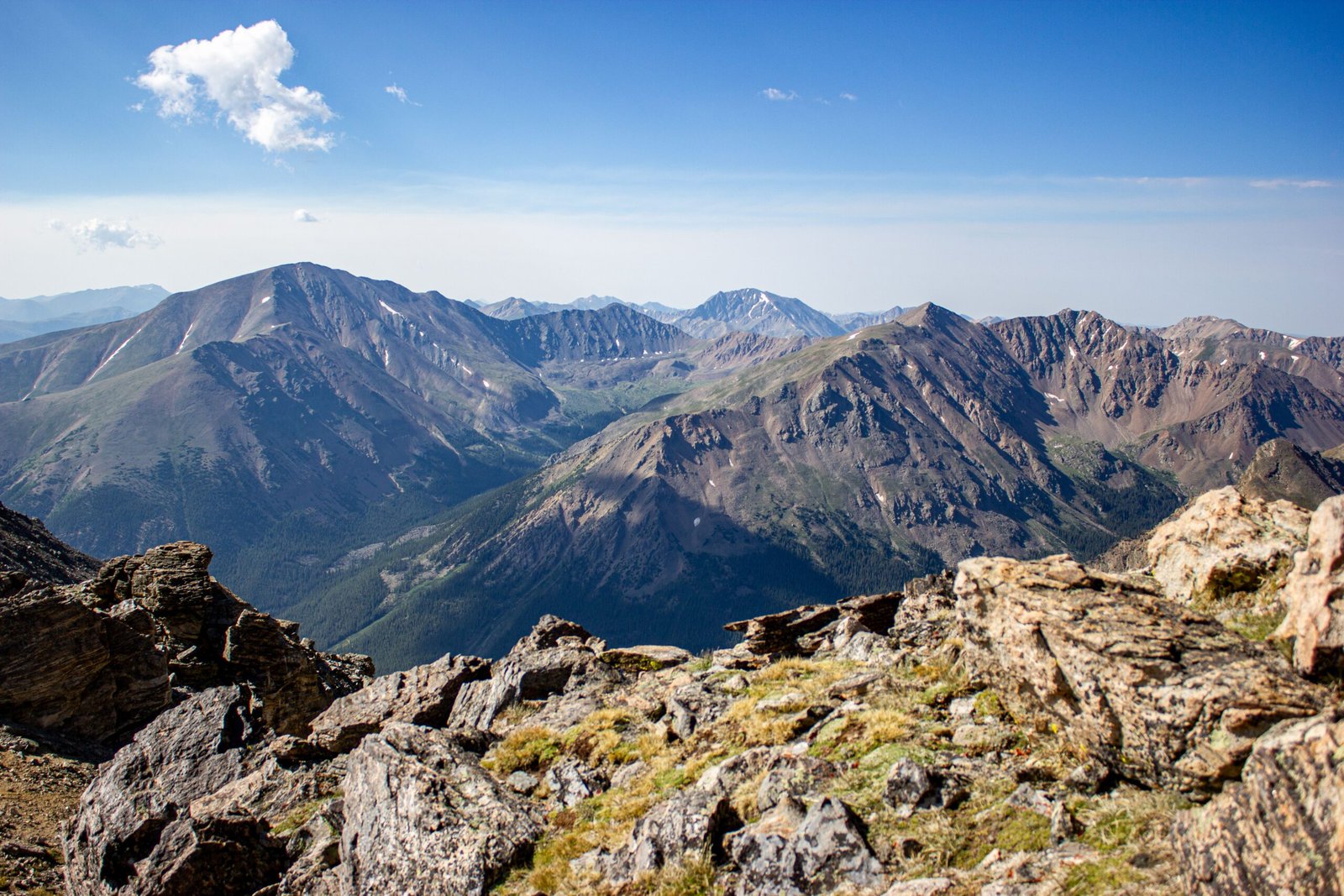
I didn’t expect to like Denver as much as I did. I went in thinking of it as just a stopover before the mountains, but the city won me over on its own terms, walking down brick-lined streets in LoDo, catching mountain views from a rooftop bar I hadn’t planned on stopping at, and realising a mile up really does feel different. This is what stuck with me from my time in the Mile High City.
The Mile High City
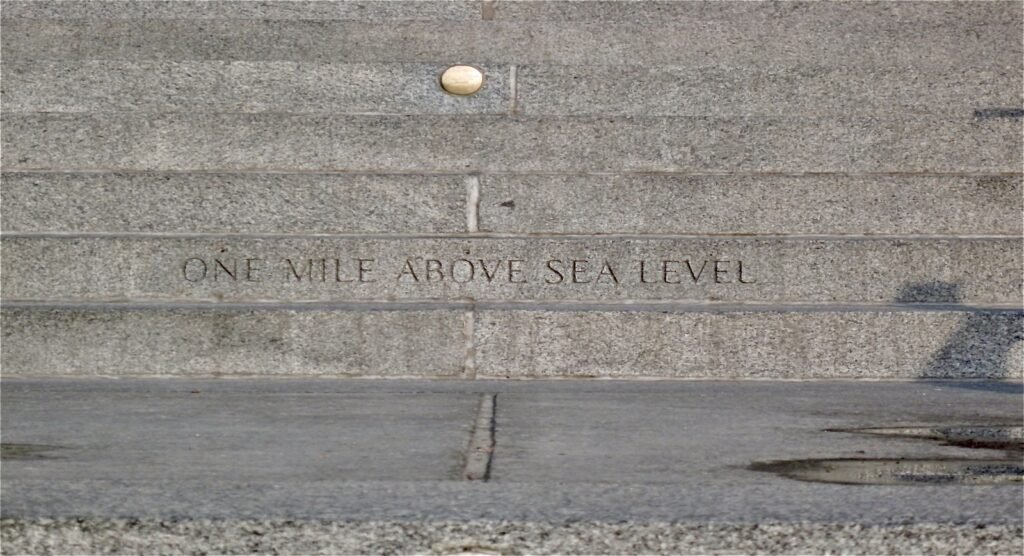
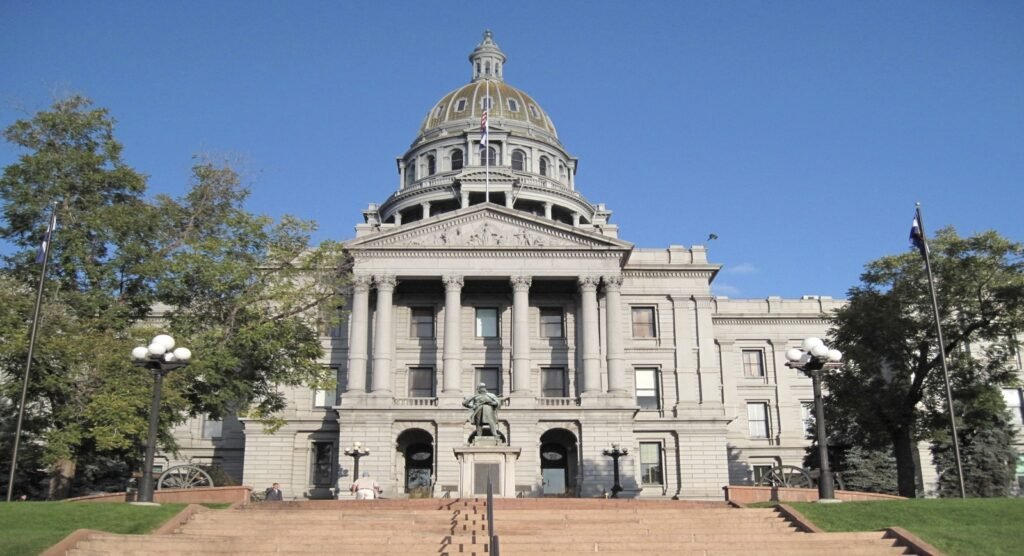
Denver gets its nickname for a very literal reason: the 13th step of the state capitol building sits at exactly 5,280 feet above sea level, one mile up. It’s a detail that sums up the city pretty well, proud of its own quirks, and happy to prove them with a marker on a staircase. It’s a city that blends big city energy with genuine outdoor obsession; on any given weekday you’ll see people in suits and people in hiking boots grabbing coffee at the same shop. Nobody bats an eye at someone walking into a meeting straight from a sunrise trail run, and that’s kind of the point. The mountains aren’t a weekend escape here so much as a constant presence, visible from parking lots, office windows, and rooftop patios alike.
A bit of history
Denver started as a gold rush camp in 1858, when prospectors found flecks of gold where the South Platte River meets Cherry Creek. Word spread fast, and within months a scattering of tents and shanties had grown into a real settlement, drawing thousands of hopeful prospectors west in what became known as the Pikes Peak gold rush. The initial strike was fairly modest, but it was enough to make the city stick around long after the easy gold ran out.
It grew fast, then faster again with the silver boom of the 1870s and 80s, once the railroads arrived and made Denver the commercial hub for the mining camps scattered through the Rockies. Fortunes were made overnight, and a lot of that money got poured straight back into the city: grand hotels, ornate storefronts, and civic buildings meant to prove Denver was more than just a frontier outpost.
The mining town roots still show up in the architecture downtown: brick warehouses that once stored ore and supplies now house restaurants and breweries, old saloons that have survived a century of change, and ornate Victorian storefronts with the kind of detail only a boomtown flush with silver money could afford to build.
Neighbourhoods worth wandering
Denver isn’t a one-neighborhood city, and each part of downtown has its own personality worth carving out time for. Some lean historic, some lean artsy, some lean upscale, but they’re all close enough together to hit more than one in a single day.
• LoDo (Lower Downtown): The historic core, all converted brick warehouses now full of bars, breweries, and restaurants. Coors Field, home of the Colorado Rockies, anchors the neighborhood.
• Larimer Square: Denver’s oldest block, lined with gas lamps, boutique shops, and some of the city’s best patio dining.
• RiNo (River North Art District): Denver’s arts hub, full of massive murals, warehouse breweries, and a creative, slightly gritty energy.
• Cherry Creek: More upscale, with high end shopping and a walking/biking path along the creek itself.
• LoDo (Lower Downtown)
The historic core, all converted brick warehouses now full of bars, breweries, and restaurants. Coors Field, home of the Colorado Rockies, anchors the neighbourhood.
• Larimer Square
Denver’s oldest block, lined with gas lamps, boutique shops, and some of the city’s best patio dining.
• Cherry Creek
More upscale, with high end shopping and a walking/biking path along the creek itself.
Things to do
There’s plenty to fill a day here. Walk or bike the 16th Street Mall, the pedestrian spine of downtown, then tour the Denver Art Museum or the Molly Brown House, home of the “Unsinkable” Titanic survivor. If the timing lines up, catch a concert at Red Rocks Amphitheatre, a natural sandstone venue about 20 minutes from downtown and arguably the most beautiful concert setting in the country. Denver’s craft beer scene is worth sampling too, one of the highest breweries per capita rates in the country, and a rooftop bar at golden hour is the perfect way to cap things off, with skyline views and the Rockies as a backdrop. The food scene has grown up fast in recent years as well, with excellent Mexican and New Mexican food, a strong farm to table movement, and a wave of James Beard nominated restaurants. Green chile shows up on more menus than you’d expect; order it if you see it.
Practical Notes
Denver sits at 5,280 feet, so it’s worth drinking more water than usual, going easy on alcohol the first day, and holding off on hard workouts until you’ve acclimated. Mountain weather changes fast too: pack layers even in summer, and expect afternoon thunderstorms if you’re out and about in July or August. And don’t underestimate the sun up here; UV is stronger at altitude, so sunscreen is non-negotiable even in winter, since snow reflects sunlight right back at you.
In Summary
Denver is a city worth the trip: a mile high downtown with history baked into its brick warehouses, a craft beer scene that punches well above its weight, and mountains always in view no matter where you wander. LoDo and Larimer Square give the city its character, RiNo gives it edge, Cherry Creek gives it polish, and Red Rocks gives you a reason to leave downtown for an evening. A great taste of Colorado, city style.
